


10 Winter Body Problems Knitters Face — And How to Fix Them

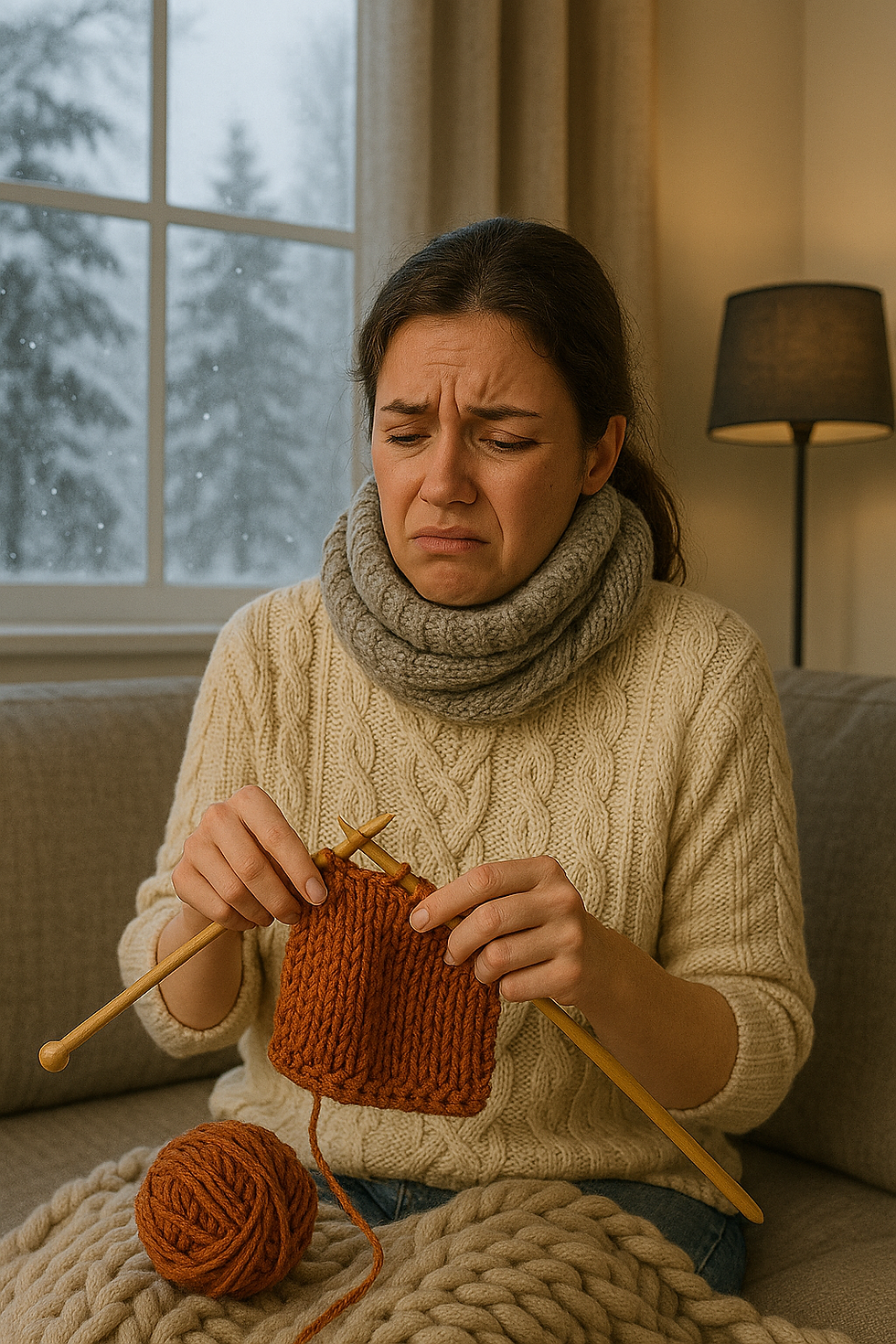
Winter is the coziest season to be a knitter. It’s the time for big sweaters, warm blankets, gift knitting, and long evenings curled up with your favorite project. But it’s also the time when our bodies struggle the most. Winter body problems for knitters—like cold hands, dry skin, stiff joints, and poor posture—become more common as temperatures drop. Cold weather, dry indoor heat, and longer sitting sessions can lead to discomfort, pain, or even injury if you’re not mindful.
In this guide, we’ll look at the top 10 winter body problems knitters experience—and the practical solutions to help keep you knitting comfortably and joyfully all season long.
1. Dry, Cracked Hands and Cuticles
Winter air is extremely dry, and indoor heating only makes it worse. For knitters, dry hands are more than just uncomfortable—they directly affect your work:
Rough fingertips snag on wool
Cracked knuckles make gripping needles painful
Dry cuticles catch on yarn plies
Solutions:
Apply a non-greasy hand cream throughout the day to keep skin moisturized without transferring residue to your yarn.
At night, use a thicker balm or ointment and wear cotton gloves to lock in moisture.
Keep a small nail file in your project bag to smooth snags immediately.
Healthy, smooth hands make your knitting smoother too.


2. Cold, Stiff Fingers That Slow Down Knitting
Cold hands are a universal winter knitting struggle. When your fingers are cold, your joints stiffen, your tension tightens, and your speed drops dramatically.
Solutions:
Before you start knitting, warm your hands by rubbing them together or dipping them in warm (not hot) water.
Use a heated lap blanket, heat pad, or hot water bottle nearby.
Wear fingerless knitting gloves to keep palms warm while leaving fingers free to move.
Warm hands = faster knitting and more even tension.
3. Wrist & Thumb Pain From Long Knitting Sessions
Winter often means more knitting time, but that also means more repetitive motion. Overuse can lead to wrist soreness, thumb strain, or tingling in the fingers—especially if you're working on small needles or tight stitches.
Solutions:
Keep wrists in a neutral position—not bent sharply up or down.
Switch between projects with different yarn weights and needle sizes to vary movement.
Take a stretching break every 30–40 minutes.
If pain persists, use a support brace during non-knitting time and talk to a physiotherapist.
Prevention is far easier than recovery.


4. Neck, Shoulder & Upper Back Pain (“Knitter’s Hunch”)
Winter encourages cozy slouching—blanket, couch, hot drink, knitting in your lap. The result? Tight shoulders, a stiff neck, and upper back fatigue after only a couple of hours.
Solutions:
Sit with back supported, feet on the floor, and knitting raised closer to eye level.
Use pillows or cushions under your elbows so your arms aren’t suspended in the air.
Every pattern repeat, do a mini “reset”:
Roll shoulders
Stretch neck gently side-to-side
Sit up tall
Better posture means longer pain-free knitting sessions.
5. Lower Back Pain From Sofa or Bed Knitting
Couches are cozy… but terrible for your spine. Winter binge-knitting on soft furniture leads to slouching, which compresses the lower back.
Solutions:
Add a lumbar cushion or rolled towel behind your lower back.
Sit upright against a firm support or headboard.
Switch knitting locations regularly: sofa → desk chair → bed → kitchen table.
Use a small footstool to keep hips and knees in a neutral, supported position.
Little adjustments create big relief.


6. Eye Strain From Dark Early Evenings
Winter’s shorter days means most knitters work in low light. Add dark yarn colors (navy, black, deep green), and suddenly knitting becomes a vision challenge.
Solutions:
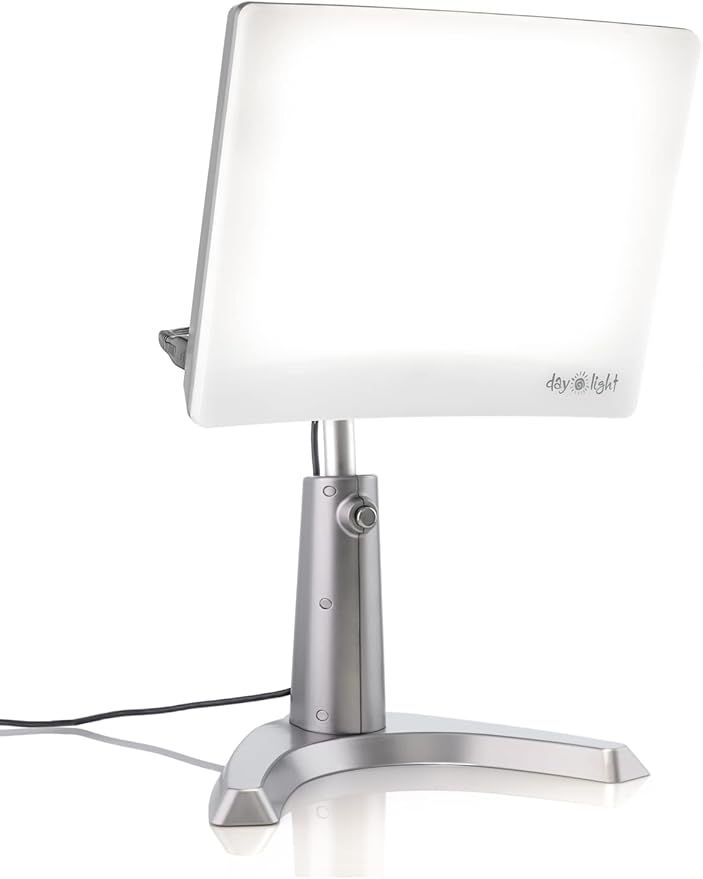
Use a daylight LED lamp placed above or beside you.
Wear a neck light for lace knitting or small stitches.
Follow the 20-20-20 rule to rest your eyes.
Save darker projects for daytime, and keep brighter yarns for evening sessions.
Your eyes will thank you later.
7. Overall Stiffness, Cold Feet & Poor Circulation From Sitting Too Long
Knitting is relaxing—but staying still too long slows circulation, especially in winter when blood flow is already reduced.
Solutions:
Set a timer every 30–40 minutes to stand, stretch, or walk.
Stretch hips, calves, and hamstrings.
Wear warm socks or slippers to encourage circulation and prevent toe clenching.
Uncross your legs regularly to avoid restricting blood flow.
Move a little and knit a lot more comfortably.


8. Winter Dehydration Leading to Headaches
We often drink less water in the winter, and heated indoor air is extremely drying. Dehydration shows up as:
Headaches
Fatigue
Dry eyes
Lack of concentration
These symptoms can make knitting harder and less enjoyable.
Solutions:
Keep a water bottle or mug of herbal tea beside your knitting chair.
Use a humidifier to keep your craft space comfortable.
Make hydration part of your knitting rhythm—every time you start a new pattern section, take a sip.
Small sips = big improvements.
9. Seasonal Low Mood or Lack of Motivation
Short winter days affect energy and mood. Many knitters find they lose motivation or feel less excited about projects during this season.
Solutions:
Knit near windows to get natural daylight.
Use a SAD (Seasonal Affective Disorder) lamp if recommended by your doctor.
Join a KAL (knit-along) or knitting group for social connection.
Start small, fun, colorful projects to spark joy.
Knitting should be restorative, not draining.
10. Dust, Allergies, and Fiber Irritation From Closed Winter Homes
Winter means closed windows and trapped dust. For some knitters, this causes:
Sneezing
Throat irritation
Itchy eyes
Sensitivity to wool or fibers
Solutions:
Vacuum and dust your knitting corner regularly.
Store yarn in bins or bags to reduce airborne fibers.
Use an air purifier if you’re sensitive to dust.
If you have asthma or allergies, speak to a doctor about safe fiber handling.
Clean air = comfortable crafting.



When Should Knitters Seek Professional Help?
Most winter knitting discomfort is mild and improves with posture, hydration, and movement. But consult a professional if you experience:
Numbness that doesn’t go away
Persistent wrist or thumb pain
Severe headaches or worsening eye strain
Low mood lasting more than two weeks
Pain that disrupts sleep or daily life
Your health matters as much as your craft.
Final Thoughts
Winter and knitting go hand in hand—but winter can also be tough on your body. By understanding these 10 common winter problems and making simple adjustments, you can enjoy your projects without pain or strain.
Think of it this way: You treat your handmade socks and sweaters with love, care, blocking, and maintenance—your body deserves the same gentle attention.
Stay warm, stay hydrated, stretch often, and enjoy every cozy stitch of winter knitting.


Comments